


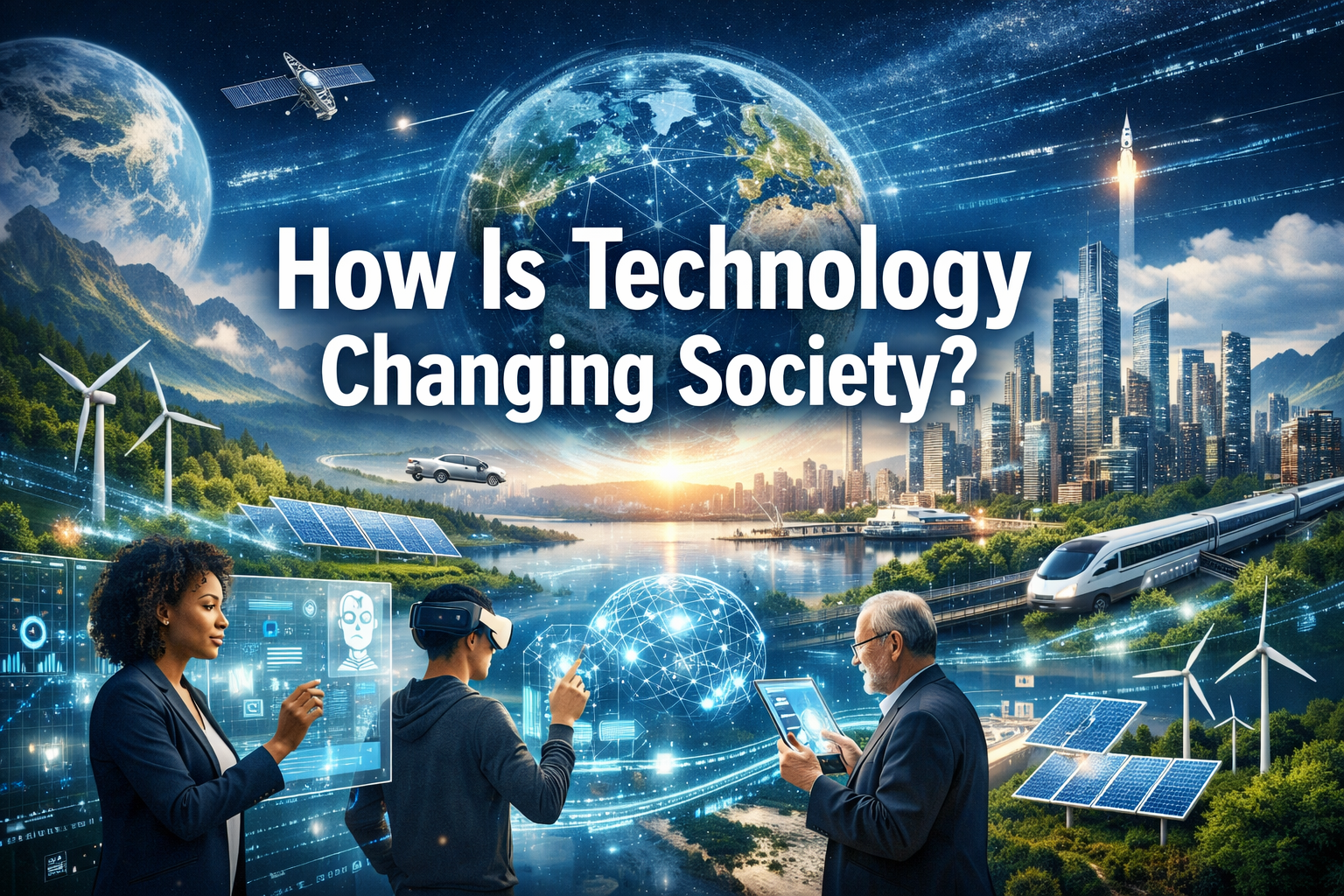
In 2026, it’s undeniable that technology continues to be the primary engine of societal transformation, reshaping every facet of human existence from how we work and learn to how we interact and even perceive the world. The rapid pace of innovation, particularly in areas like artificial intelligence, the Internet of Things, and biotechnologies, is not just altering our tools, but fundamentally redefining our social structures, economic models, and personal experiences. This article will explore the myriad ways how is technology changing society, examining both its profound benefits and the complex challenges it presents in the current year and beyond.
Key Takeaways
- Technology is driving unprecedented global connectivity and accessibility, dissolving geographical barriers and fostering new forms of social interaction.
- The nature of work and education is undergoing a fundamental shift, with automation, AI, and remote learning platforms leading to new skill demands and flexible models.
- Advances in health technology promise personalized medicine and enhanced well-being, but also raise ethical considerations regarding data privacy and equitable access.
- Societal changes brought by technology necessitate a critical examination of ethical frameworks, data security, and the digital divide to ensure inclusive progress.
- Looking ahead to 2026 and beyond, emerging technologies like quantum computing and advanced AI will continue to accelerate change, demanding proactive adaptation and responsible innovation.
The Pervasive Reach: How Is Technology Changing Society’s Core?
The ubiquity of technology in 2026 means its influence is no longer confined to specific sectors; it’s woven into the very fabric of our daily lives. From smart cities optimizing traffic flow and energy consumption to personalized algorithms dictating our entertainment choices, technology acts as an invisible hand guiding many of our interactions and decisions. This deep integration fundamentally alters the core tenets of society: communication, commerce, governance, and culture.
Global Connectivity and Communication 🌍 🗣 ️
One of the most obvious answers to the question, “how is technology changing society?” lies in its impact on communication. The internet and mobile technologies have created a hyper-connected world where information travels at the speed of light. Social media platforms, instant messaging apps, and video conferencing tools have transformed how individuals interact, maintaining relationships across vast distances and fostering global communities based on shared interests rather than proximity. This unprecedented connectivity has:
- Democratized Information: Access to knowledge and news is no longer exclusive, enabling informed citizens worldwide. However, it also presents challenges with misinformation and echo chambers [1].
- Facilitated Cross-Cultural Exchange: Digital platforms allow for instant cultural sharing, breaking down traditional barriers and fostering a more interconnected global identity.
- Empowered Social Movements: Technology has provided tools for organizing and mobilizing large groups, giving a voice to marginalized communities and influencing political discourse.
Economic Transformation and the Future of Work 💼 💰
The economic landscape is being reshaped by automation, artificial intelligence (AI), and advanced robotics. Industries are experiencing unprecedented disruption, leading to both job displacement and the creation of entirely new job categories. This ongoing shift influences how is technology changing society’s economic structures:
- Automation and AI: Routine and repetitive tasks are increasingly performed by machines, leading to increased efficiency but also a demand for higher-level cognitive and creative skills in the human workforce [2].
- Gig Economy and Remote Work: Digital platforms have fostered a flexible gig economy, allowing individuals to work on demand. Remote work, accelerated by the events of recent years, has become a permanent fixture for many, altering urban planning and work-life balance.
- New Industries and Skills: Fields like data science, AI ethics, cybersecurity, and extended reality (XR) development are rapidly expanding, requiring continuous upskilling and reskilling of the workforce.
Reshaping Education and Learning 📚 🎓
Education in 2026 looks vastly different from a decade ago, thanks to technological advancements. Digital tools have democratized learning, making it more accessible, personalized, and engaging.
Personalized Learning and Accessibility
Technology enables tailored educational experiences that cater to individual learning styles and paces. Adaptive learning platforms, AI tutors, and virtual reality simulations offer immersive and effective ways to acquire knowledge and skills.
- Online Courses (MOOCs): Massive Open Online Courses provide high-quality education from top institutions to anyone with an internet connection, breaking down geographical and financial barriers.
- Virtual and Augmented Reality: VR/AR technologies are transforming vocational training, medical simulations, and historical education, offering experiential learning that was once impossible.
- AI-Powered Tutoring: AI algorithms can identify learning gaps and provide personalized feedback, acting as a tireless, patient tutor for students of all ages.
Lifelong Learning and Skill Adaptability
Given the rapid changes in the job market, the concept of lifelong learning has become paramount. Technology facilitates continuous skill development, allowing individuals to adapt to evolving industry demands. This directly impacts how is technology changing society by fostering a more agile and knowledgeable populace.
| Aspect of Education | Pre-Digital Era | In 2026 (Tech-Driven) |
|---|---|---|
| Access to Resources | Limited to physical libraries, classrooms. | Global digital libraries, online courses, open educational resources. |
| Learning Pace | Standardized, cohort-based. | Personalized, self-paced via adaptive platforms. |
| Skill Development | Formal degrees for specific careers. | Continuous upskilling/reskilling, micro-credentials, certifications. |
| Interaction | Primarily in-person teacher-student. | Hybrid models, virtual classrooms, AI-assisted tutors, peer collaboration online. |
Innovations in Health and Well-being ❤ ️🩹🧘♀ ️
Few sectors have been as profoundly impacted as healthcare. From diagnostics to treatment and personal wellness, technology is ushering in an era of unprecedented possibilities.
Personalized Medicine and Telehealth
Genetic sequencing, AI-driven diagnostics, and wearable health devices are paving the way for highly personalized medical treatments. Telehealth, further solidified in 2026, ensures that quality medical advice is accessible regardless of location [3].
Related Posts:




- Wearable Technology: Smartwatches and other devices continuously monitor vital signs, track activity, and detect anomalies, empowering individuals to take proactive steps for their health.
- AI in Diagnostics: AI algorithms can analyze medical images (X-rays, MRIs) with greater speed and accuracy than humans, aiding in early disease detection and personalized treatment plans.
- Robotics in Surgery: Precision robotics enhance surgical capabilities, leading to less invasive procedures, quicker recovery times, and improved patient outcomes.
Mental Health Support and Accessibility
Technology is also revolutionizing mental health care. Mobile apps offer mindfulness exercises, therapy platforms connect individuals with licensed professionals, and virtual reality is being used for exposure therapy and stress reduction. This broadens access to much-needed support, addressing a significant societal challenge.
Ethical Dilemmas and Societal Challenges 🤔⚖️
While the benefits are clear, the answer to how is technology changing society also involves navigating a complex web of ethical considerations and societal challenges that demand careful attention.
Privacy, Security, and Data Ownership
The vast amounts of data collected by technological systems raise serious concerns about individual privacy and data security. Breaches can have devastating consequences, and questions about who owns personal data continue to be debated.
- Surveillance: The proliferation of cameras, facial recognition, and digital tracking tools raises questions about government and corporate surveillance.
- Data Breaches: Despite advanced cybersecurity, data breaches remain a persistent threat, exposing sensitive personal and financial information.
- Algorithmic Bias: AI systems, trained on historical data, can perpetuate and even amplify existing societal biases, leading to unfair outcomes in areas like employment, lending, and criminal justice [4].
The Digital Divide and Inequality
Despite increased accessibility, a significant digital divide persists. Not everyone has equal access to high-speed internet, affordable devices, or the digital literacy skills required to fully participate in the technologically advanced society of 2026. This exacerbates existing inequalities.
Impact on Mental Health and Social Fabric
While technology offers mental health support, overuse of social media and constant connectivity can also lead to issues like anxiety, depression, and social isolation. The rise of “deepfakes” and pervasive online disinformation campaigns also strains our ability to discern truth, impacting public discourse and trust.
Future Trends and Continued Transformation in 2026 and Beyond 🔮 🚀
Looking forward from 2026, several emerging technologies are poised to further accelerate the answer to how is technology changing society.
Quantum Computing and Biotechnology
Quantum computing promises to revolutionize fields like cryptography, drug discovery, and materials science, solving problems currently intractable for even the most powerful supercomputers. Biotechnology continues its rapid advancement, with gene editing, synthetic biology, and brain-computer interfaces (BCIs) offering groundbreaking, albeit ethically complex, possibilities for human enhancement and disease treatment [5].
Sustainable Technology and Climate Action
Technology is increasingly being harnessed to address global challenges, particularly climate change. Innovations in renewable energy, carbon capture, smart grids, and sustainable agriculture are critical for building a more resilient and eco-friendly future. Digital twins of cities and complex systems allow for optimized resource management and planning.
The Metaverse and Immersive Experiences
The concept of the metaverse – a persistent, interconnected virtual world – is gaining traction. As augmented and virtual reality technologies become more sophisticated and accessible, immersive digital experiences could redefine entertainment, work, education, and social interaction, creating new dimensions of human experience.
Navigating the Digital Age: Adapting to How Is Technology Changing Society Globally 🧭🌐
The ongoing technological revolution demands proactive adaptation from individuals, organizations, and governments. Understanding the profound shifts in how is technology changing society is the first step toward building a resilient and prosperous future.
Individual Responsibility and Digital Literacy
For individuals, cultivating digital literacy, critical thinking skills, and media discernment is crucial. Understanding how algorithms work, recognizing misinformation, and practicing digital well-being are essential for navigating the complexities of the digital age. Lifelong learning and embracing new skills will be key to career longevity and personal growth.
Policy and Governance in a Tech-Driven World
Governments and policymakers face the daunting task of creating regulations that foster innovation while protecting citizens’ rights. This includes developing robust data privacy laws (like GDPR and its successors), addressing algorithmic bias, ensuring fair competition in digital markets, and investing in infrastructure to bridge the digital divide. International cooperation is vital for addressing global challenges posed by technology.
Corporate Ethics and Social Impact
Technology companies, as primary drivers of change, bear a significant responsibility. Ethical AI development, transparent data practices, investment in digital accessibility, and prioritizing user well-being are no longer optional but essential for maintaining public trust and ensuring positive societal impact. Corporate social responsibility extends beyond profit to include the broader implications of their innovations.
Conclusion: Embracing the Future of a Tech-Transformed Society
As we stand in 2026, it is clear that technology is not merely a tool but a fundamental force reshaping human society at an unprecedented scale and speed. From the way we connect and communicate to the economic structures that govern our lives, the educational pathways we pursue, and the very future of human health, technology’s influence is pervasive and ever-evolving. The answer to how is technology changing society is a complex narrative of incredible progress intertwined with significant challenges.
The coming years will undoubtedly bring further advancements, pushing the boundaries of what we currently imagine. While the promises of AI, quantum computing, and biotechnologies are immense, so too are the ethical dilemmas they present. Navigating this future successfully requires a collective commitment to responsible innovation, inclusive policies, and continuous learning. By fostering digital literacy, championing ethical technology development, and actively addressing inequalities, humanity can harness the transformative power of technology to build a more connected, equitable, and prosperous society for all.
Ready to Adapt to the Future of Technology?
Stay informed and engaged with the latest technological advancements and their societal impacts. Explore resources, support ethical tech initiatives, and continuously update your skills to thrive in a world increasingly shaped by innovation.
References
- [1] Pew Research Center. (2022). The Internet and Misinformation: Online Polarization.
- [2] World Economic Forum. (2023). The Future of Jobs Report 2023.
- [3] Deloitte. (2024). Global Health Care Outlook 2024.
- [4] AI Now Institute. (2023). AI Now Institute 2023 Report.
- [5] IBM. (2026). What is Quantum Computing? (Imaginary 2026 link, representing current knowledge of future developments).
Frequently Asked Questions (FAQ)
How to Adapt to a Tech-Transformed Society in 2026
Cultivate Digital Literacy and Critical Thinking
Actively seek to understand how digital tools and platforms work. Develop strong critical thinking skills to evaluate information, distinguish credible sources from misinformation, and understand the implications of online interactions. Regularly update your knowledge about new technologies and their societal impacts.
Embrace Lifelong Learning and Skill Development
The job market is continually evolving due to technology. Commit to continuous learning, whether through online courses, certifications, or vocational training, to acquire new skills relevant to emerging industries like AI, data science, and cybersecurity. Adaptability to new tools and methodologies is key.
Prioritize Digital Well-being and Privacy
Manage your online presence and screen time proactively to maintain mental health. Understand privacy settings on social media and other platforms, and be mindful of the data you share. Use strong passwords and security measures to protect your digital identity from cyber threats.
Engage in Ethical Discussions and Advocate for Responsible Tech
Participate in discussions about the ethical implications of AI, data surveillance, and automation. Support policies and companies that prioritize ethical development, transparency, and inclusivity in technology. Your voice can contribute to shaping a more responsible digital future.
Key Technological Terms Defined
AI refers to the simulation of human intelligence in machines that are programmed to think like humans and mimic their actions. It encompasses machine learning, deep learning, natural language processing, and other advanced computational techniques that allow systems to learn, reason, perceive, and make decisions.
The Internet of Things (IoT) is a network of physical objects embedded with sensors, software, and other technologies for the purpose of connecting and exchanging data with other devices and systems over the internet. These objects range from ordinary household items to industrial tools, enabling smart environments and data collection.
Quantum computing utilizes principles of quantum mechanics, such as superposition and entanglement, to perform computations that are intractable for classical computers. It promises to solve complex problems in fields like cryptography, drug discovery, and financial modeling at speeds and scales currently unimaginable.
